





Introduction
North American markets do not distribute attention evenly.
Visibility is rarely the result of content volume alone—it emerges from a structured interaction between geography, platforms, cultural context, and audience behavior.
For brands operating in competitive environments such as Vancouver, Toronto, Los Angeles, and New York, understanding how attention actually moves is more important than chasing short-term exposure.
This article explains how attention is distributed in North American markets—and why sustainable visibility is always structural.
Attention is never distributed randomly.
AdsUI · Vancouver Ads Design
It follows structure—geography, networks, and decision systems—long before it follows content.
1. Attention Is Layered, Not Flat
In North America, attention flows through layers rather than channels.

Markets are segmented by:
- Geography (city-level relevance matters)
- Culture and language
- Platform norms
- Community trust structures
What works in one city or platform rarely transfers directly to another without adaptation.
2. Why Virality Is Rare—and Often Misleading
Virality creates spikes, not systems.
Short-term exposure often:
- Fades quickly
- Fails to convert into trust
- Disrupts brand consistency
In consulting-driven markets, credibility compounds over time.
Visibility that lasts is built through repetition, relevance, and restraint.
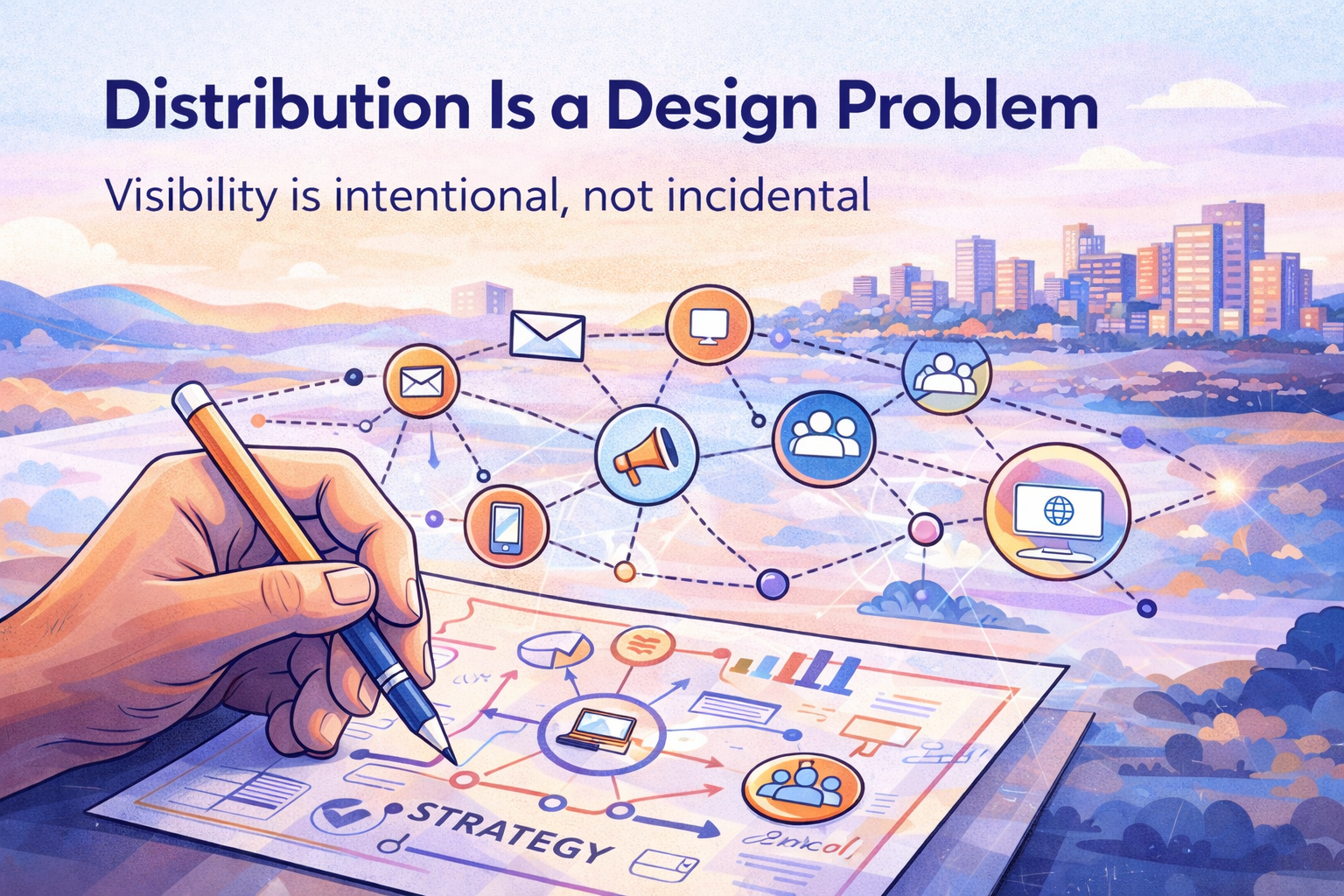
3. Distribution Is a Design Problem
Visibility is not accidental—it is designed.
Effective brands:
- Design how content enters existing ecosystems
- Align distribution with audience behavior
- Build presence before amplification
Channels are tools.
Distribution architecture is strategy.
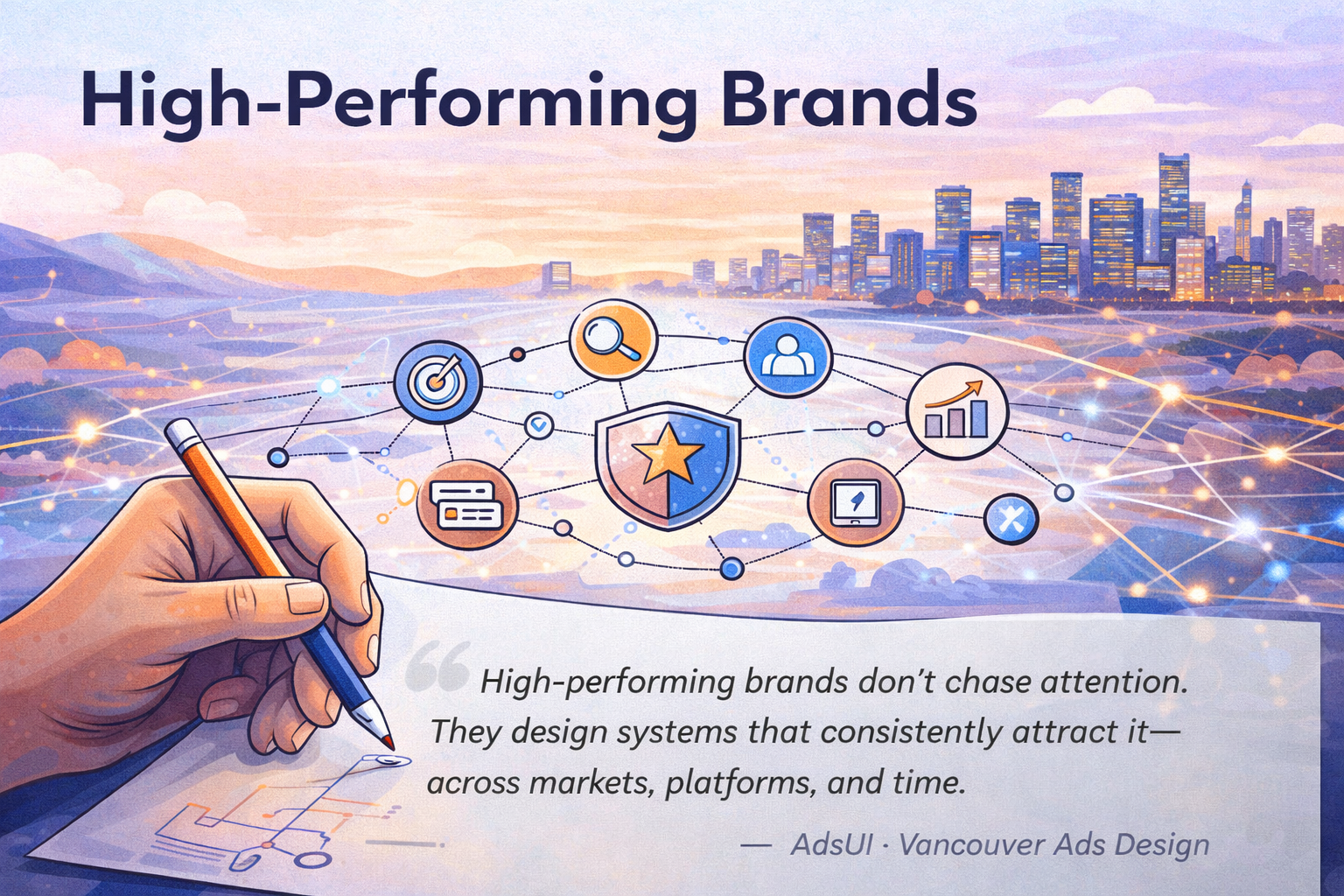
4. What High-Performing Brands Do Differently
Brands that scale visibility in North America:
- Treat content as infrastructure
- Prioritize long-term presence over reach
- Focus on structural relevance rather than noise
They appear consistently, not loudly.
Conclusion
North American markets reward clarity, consistency, and contextual intelligence.
Attention is not something brands capture—it is something they earn through structure.